
Exploring the psychology behind gambling Why do we love casinos
The Thrill of Uncertainty
The allure of casinos fundamentally stems from the thrill of uncertainty. When a player approaches a game, they are simultaneously filled with hope and anxiety about the outcome. This unpredictable nature is what keeps the adrenaline pumping. In fact, the uncertainty can trigger the release of dopamine, the neurotransmitter associated with pleasure and reward, making the act of gambling itself a source of excitement. Additionally, many players often seek out the best uk non gamstop casinos for a more enjoyable experience.

This thrill is magnified by the environment of the casino, designed to stimulate the senses with colorful lights, captivating sounds, and vibrant energy. As players engage in games, they experience a form of escapism, immersing themselves in the moment. This intense focus and the potential for immediate gratification often lead individuals to engage in gambling, as they chase that exhilarating high that a win can provide.
The Role of Social Interaction
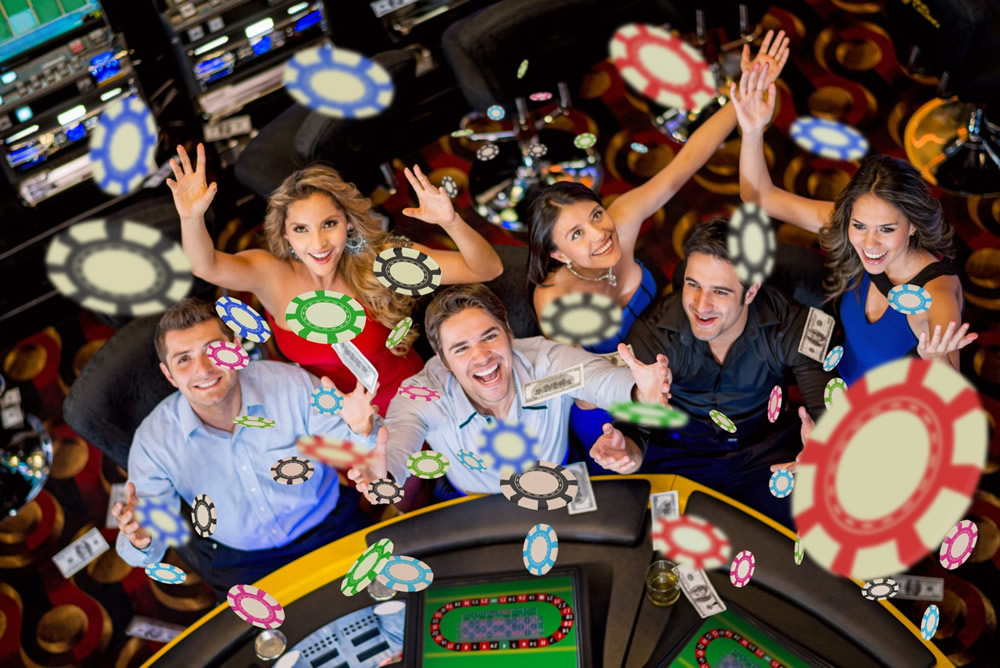
Certainly, casinos are not just about the games; they are also social hubs. The atmosphere fosters camaraderie among players, whether it’s sharing in the excitement of a jackpot or commiserating over a loss. This social element makes gambling appealing, as it allows individuals to connect with others, breed friendships, and create memorable experiences. The shared emotions during intense moments at the table encourage interaction, building a sense of community that many people find engaging.
Moreover, the presence of staff and dealers adds to this social dimension. Engaging with professionals who are trained to make the experience enjoyable can make players feel welcome and valued. The personal touch fosters a sense of belonging, encouraging individuals to return for not only the games but also the social experience that accompanies it.
Cognitive Biases at Play
Gambling is riddled with cognitive biases that influence our decision-making. One common bias is the “gambler’s fallacy,” where individuals believe that past outcomes affect future results. For instance, after a series of losses, a player might assume that a win is “due,” driving them to continue betting. This flawed logic often leads to increased risk-taking and, ultimately, more losses.
Furthermore, the illusion of control plays a significant role in the psychology of gambling. Many believe they can influence the outcome of games, especially in games of skill. This belief can keep players engaged longer, as they feel their choices matter, even when randomness plays a considerable role. Understanding these biases can highlight why many remain entranced by the allure of casinos, often disregarding the realities of chance.
Gambling as a Form of Entertainment
For many, gambling is perceived primarily as entertainment. The excitement of trying one’s luck can be exhilarating, akin to a rollercoaster ride. Participants may see it as a leisure activity, where the cost is similar to that of a night out for dinner or a concert, with the added thrill of a potential financial reward. This view helps normalize gambling as a recreational pursuit, contributing to its widespread popularity.
However, it’s crucial to recognize that this form of entertainment has its risks. While many enjoy gambling responsibly, others may find it challenging to set limits due to the recreational aspect’s enticing nature. It underscores the importance of balanced engagement and understanding one’s own limits while enjoying the thrill that casinos have to offer.
Fostering Balance in Gambling Habits
Ultimately, recognizing the psychological factors behind gambling can lead to healthier habits. Understanding the thrill of uncertainty, the importance of social interaction, cognitive biases, and the entertainment aspect can guide individuals in enjoying casinos without falling into detrimental patterns. By fostering a balanced approach, players can indulge in the excitement without risking their well-being.
As we explore the various aspects of gambling and its psychological implications, we also invite you to consider how this aligns with broader concepts of work-life balance. Just as the thrill of casinos can be enjoyable, finding harmony in work and personal life is essential. Join us on our platform to discover strategies for maintaining balance while enjoying life’s pleasures responsibly.